


Midwest Metals Scrap Metal Solutions Canada
Midwest Metals operates as a Canadian scrap metal processor focused on fair payouts, clear processes, and local environmental stewardship. The yard serves municipal and rural customers across southwestern Ontario and bordering regions, offering drop off and pickup options for contractors, small businesses, and residential sellers. Certified commercial scales are maintained and inspected through Measurement Canada protocols to ensure accurate weighing and transparent transactions.
Facility upgrades over the past five years include new runoff controls, upgraded scale software for digital ticketing, and enclosed shredding and sorting bays to limit dust and noise. Midwest Metals aligns practices with Environment and Climate Change Canada guidance and follows provincial waste handling frameworks such as Ontario Regulation 347 for hazardous waste when applicable. Community partnerships include regular donations to local food banks and collaborations with vocational schools for hands on recycling education and safety training.
Why Proper Sorting Matters
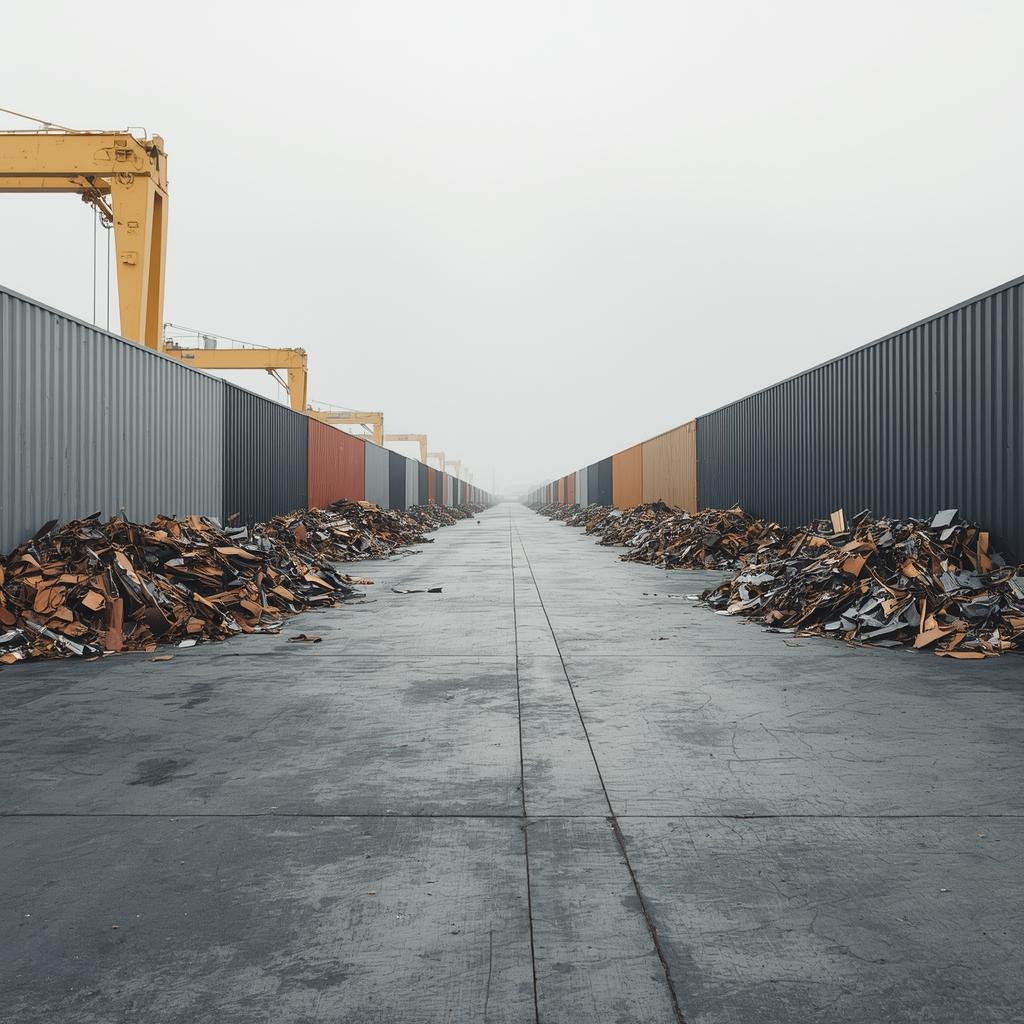
Proper sorting directly increases the economic return for sellers and reduces processing costs for the yard. Accurate separation by metal type prevents price reductions due to contamination and speeds up the weighing and payment workflow. Measurement Canada inspections require accurate tare and gross weights and calibrated equipment, so sellers are encouraged to present loads clearly.
Environmental benefits are significant. Well sorted materials reduce energy use in smelting processes and lower greenhouse gas emissions compared with producing metals from virgin ore. Removing contaminants prevents hazardous leaks and avoids cross contamination to other recycling streams. Safety and regulatory compliance also improve when materials are cleaned of batteries, fluids, and electronic components before arrival.
Basic Categories and Tools
Sorting begins with simple physical tests and appropriate tools. A strong magnet identifies ferrous components quickly. Eddy current separators and conveyor sorting lines are used at higher throughputs to segregate non ferrous from mixed streams. Portable scales, often Class III devices, allow sellers to check small batches before arrival. Handheld XRF analyzers are available in the industry for rapid alloy identification when precise composition affects value.
Common identification techniques include visual inspection, weight feel, magnet testing, and spark testing for ferrous alloys. Personal protective equipment is mandatory on site. Typical PPE includes high visibility vests, steel toe boots, gloves rated for cut resistance, safety glasses, and hearing protection when operating equipment.
Below is a compact reference that lists common metals, their typical forms, density values, common contaminants, and preparation tips to improve payment outcomes.
| Metal | Typical Forms Received | Density (kg/m³) | Contaminants to Remove | Preparation Tips |
|---|---|---|---|---|
| Steel / Iron | Auto frames, structural beams, scrap panels | 7,850 | Paint, concrete, heavy rust, non metal fittings | Separate bulky steel, remove attached concrete and large non metallic parts |
| Aluminum | Cans, siding, window frames, extrusions | 2,700 | Paint, silicone, wood, plastic glazing | Flatten cans, remove rubber seals and glass from frames |
| Copper | Wire, tubing, pipe, coils | 8,960 | Insulation, solder, corrosion | Strip insulation from wire, cut into manageable lengths, remove non copper fittings |
| Brass | Fittings, valves, radiators | 8,400 | Lead solder, scale, paint | Remove plastic handles, denature or separate mixed alloys |
| Stainless Steel | Appliances, kitchen fixtures, surgical alloy parts | ~8,000 | Paint, plastics, insulation | Separate heavy gauge stainless, remove glass and rubber where possible |
After sorting, loading materials onto trucks or trailers in segregated stacks reduces handling time and prevents cross contamination.
Preparing Materials and Common Mistakes
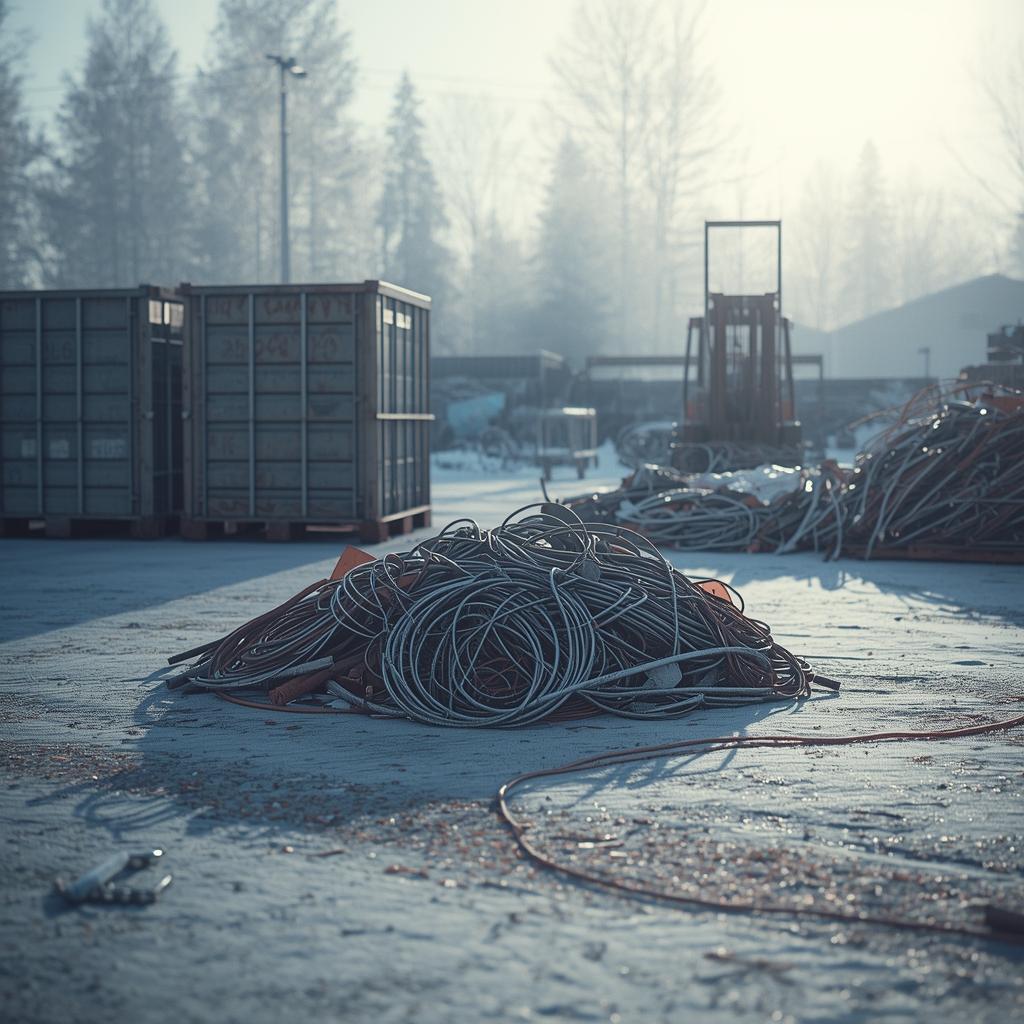
Start every load by decontaminating materials. Empty fluids from appliances and machines. Remove batteries and PCB containing components from electronics. For copper wiring, stripping the insulation multiplies value. For aluminum, crushing and compacting cans saves space and simplifies counting.
Frequent mistakes reduce payment or cause rejection at the yard. Mixing metals in one container, leaving non metal attachments in place, and failing to separate hazardous items are common problems. Not following provincial rules for hazardous materials can result in fines and delays. Sellers should always check provincial guidance before transporting items such as fluorescent lamps, mercury switches, or PCB boards.
Practical tips to boost value:
- Label each load with content summary, vehicle plate, and seller ID to speed up intake.
- Keep similar metals together and cut large items into pieces that fit on the scale platform safely.
- Present documentation such as driver photo ID and business registration when delivering commercial quantities.
Transactions, Sustainability, and Support
Pricing is quoted based on market-regulated spot rates and the grade confirmed at the time of weighing. Midwest Metals issues a digital ticket that records weight, grade, and payment details. Identification requirements follow provincial anti theft and proceeds regulations and commonly include government photo ID for individuals and business documentation for commercial sellers. Payment options include cash subject to local limits, e transfer, and certified cheque for larger loads. Payout timing aims to be same day for routine deliveries.
Hazardous material handling follows provincial protocols with secure containers for source separated hazardous residues and documentation for proper disposal. Midwest Metals monitors recycling metrics internally and reports diversion performance to local stakeholder groups to drive continuous improvement in energy use and emissions. Facility investments target reduced runoff, improved dust capture, and low emission power systems for heavy equipment.
Customer service includes on site assistance for sorting and load appraisal, scheduled pickup for large or bulky loads, and educational handouts for first time sellers. Drop off hours and pickup scheduling are available by phone or online booking.
Safety and Common Questions
Safe transport requires securing loads with straps, covering loose items, and following vehicle load regulations under provincial highway acts. On yard arrival follow operator directions, keep distance from moving equipment, and remain in the cab unless instructed otherwise.
Typical questions include minimum acceptable batch sizes, how to maximize value, and handling mixed loads. Minimums vary by material and region but many yards accept small household batches of aluminum cans and copper wire. Maximizing value requires clean separation, stripping wires, and removing non metal attachments. Mixed or contaminated loads are accepted in many cases but may be downgraded or incur sorting fees.
Midwest Metals supports sellers with clear paperwork, on site guidance, and community outreach to raise standards for safe, profitable, and environmentally responsible recycling.